Oh my gosh that’s right! It’s an even bigger equivalent than you think!
The goal of the Churning of the Ocean story was to access a divine elixir of immortality that was believed to lie at the bottom of the cosmic ocean. The name of that elixir? Amrit! (aka Amrita… I habitually use the Pali Buddhist terms for everything.) Frank Herbert was clearly a fan of Hindu mythology!
(You’re right - the new ones are absolutely epic! I can’t get over the sound design.)
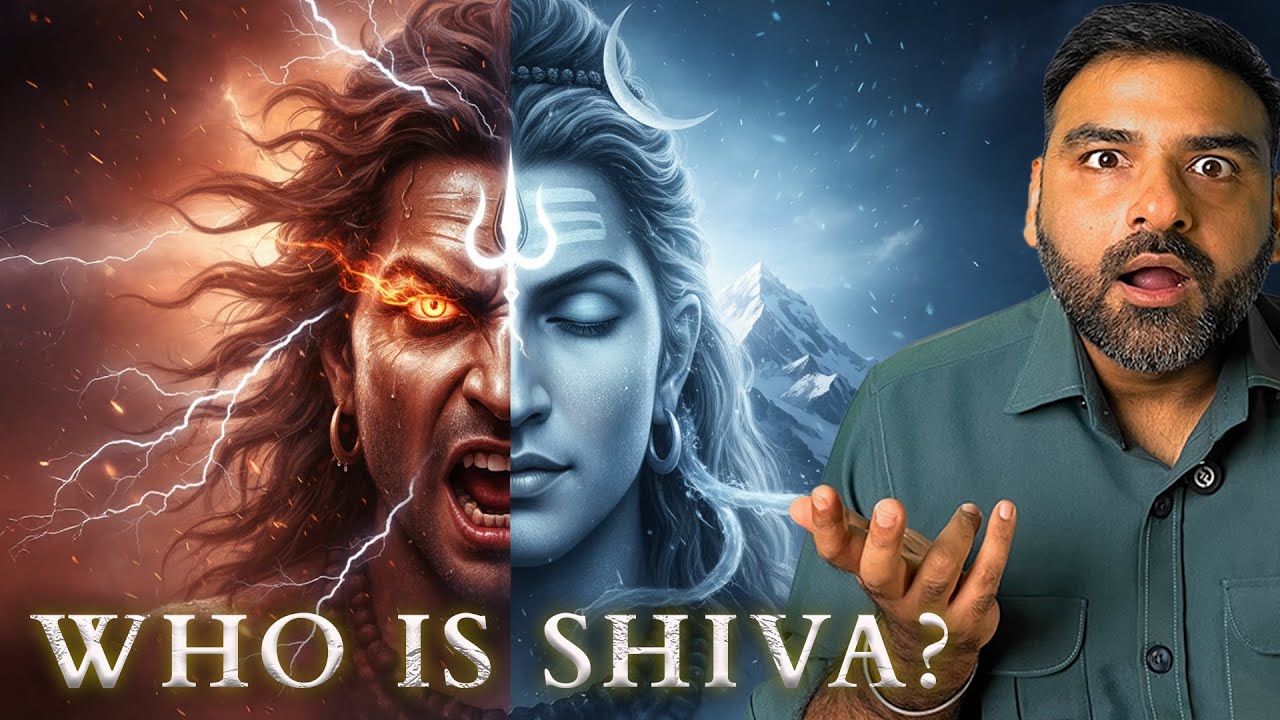
Now we’re going to dive into history - this time into Rudra and how he evolved into Shiva.
If Rudra was truly evil, why would he have transformed into the more peaceful Shiva? Why would people seek his blessings if he was nothing more than a wild god? Where did Rudra come from?
Note: There’s a ton of Hindu words that get thrown around in this video. If you want clarification on any, just let me know. Rishi is a word for an Indian sage. I’d list them all but if I did I would be here forever lol.
Traditional Eastern iconography has different interpretations varying by tradition, so I’ll just get into the most common. The average Dharmic deity tends to have three or so forms, each with a different number of arms, heads, etc.
Multiple appendages on an image of an Eastern deity shows how extensive that portrayal is of the deity’s power. Dharmic deities tend to have layers of power, and that requires multiple forms to show those powers visually. The more forms a deity has, the greater their power. Since the average number is around 3 forms, and that Shiva has 64 - well you get the idea.
Basically, the number of arms on the image show how many powers the god has. Each arm will be holding a symbolic power object, or will be in a special position called a mudra to show a hidden power.
But if the deity isn’t holding objects in an image the meaning changes - instead indicating how the power of the deity radiates from itself, a mastery over multiple directions, or instead the arms form a large mudra of sacred geometry, rather like a symbolic dance.
Indeed, that’s another interpretation. Symbolic movement is very significant in India and Southeast Asia. There are many layers of meaning.
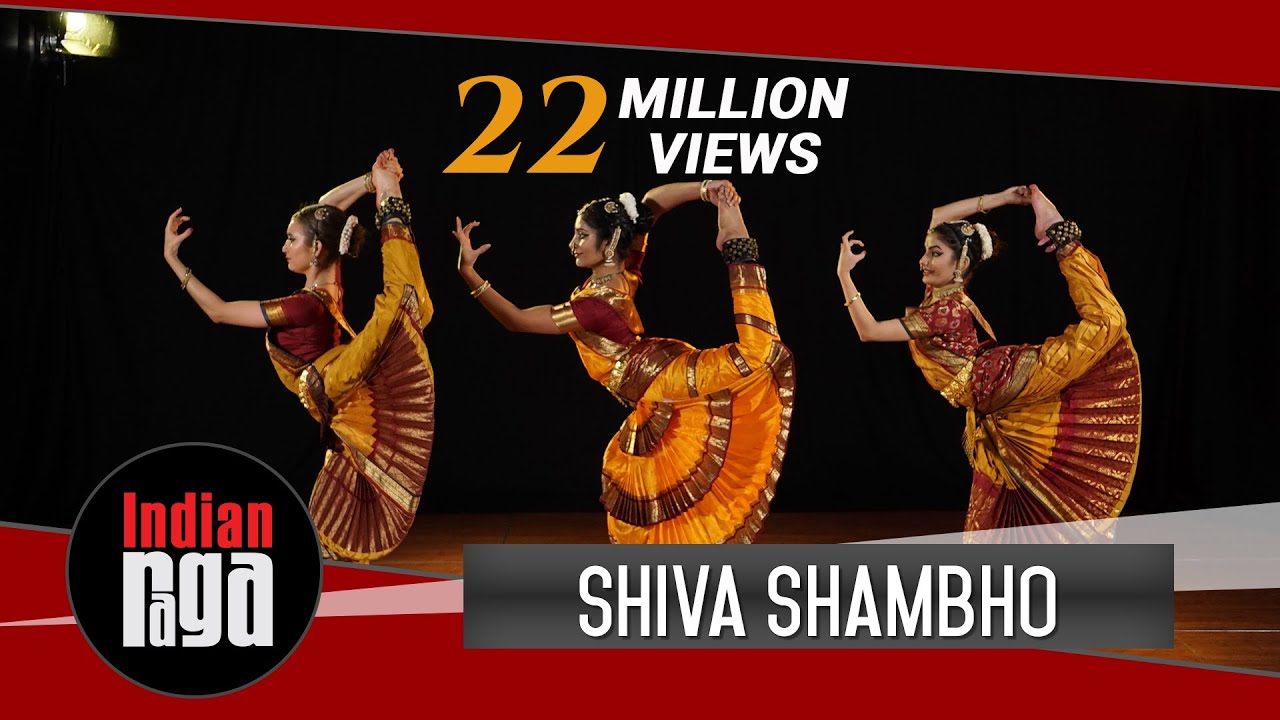
You can also see how multiple arms are portrayed in classical dance. Similar to other ancient cultures, many classical Eastern dances are given as tributes to the divine. Shiva in particular has a LOT as he is also called Nataraja - the Lord of the Dance! Some of his art also shows him performing his dances: